MEDIEVAL STRATEGY Economy and Windmills Guide
Farms, Windmills, Houses, Markets, and fishing income in MEDIEVAL STRATEGY.
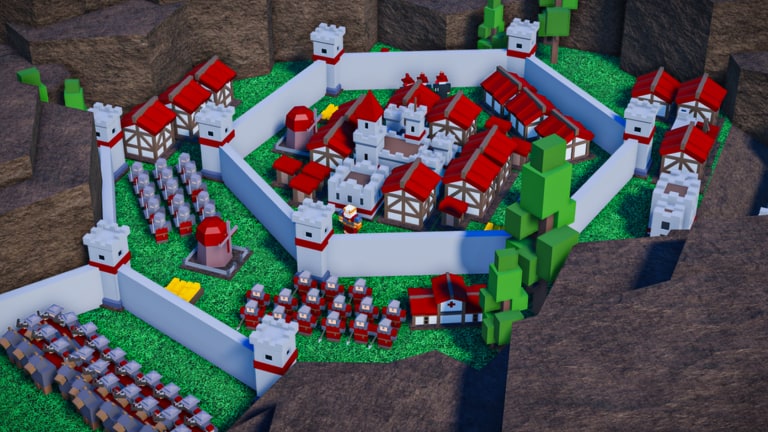
Gold decides who fields knights and mage wagons in MEDIEVAL STRATEGY. This guide focuses on the income spine every strong lobby run shares: claim farms, raise Windmills, expand Houses for troop capacity, then layer Markets and fishing when the map supports them. Pair it with Getting Started if controls still feel new, and with Army Composition plus How to Win when you are ready to spend that gold.
Browse the full tutorial list on the Guides Hub. Check Updates after patches that touch buildings or events, and skim the Tier List so your spend matches the current meta.
Why farms come first
Builders are your first purchase for a reason. Right-click or tap the castle, recruit them, and walk them onto farms. Farms are the map resource that Windmills monetize—without a claimed farm nearby, a mill is mostly decoration. Community openers that start with two builders racing toward far farms exist because contested distant plots often stay richer longer than the cluster everyone spawns beside.
Prioritize:
- Farms you can hold with a cheap tower if needed.
- Paths that do not strand builders in enemy line of sight for half a minute.
- Clusters where one Windmill can serve a tight group of plots.
If a neighbor is already camping a farm with swordsmen, either bring a small escort (see the two-builders-plus-three-swordsmen opener on Army Composition) or pivot to the next free plot. Dying builders are delayed income.
Windmills: the real income spike
Build a Windmill near each important farm. The official loop expects you to reach three or more Windmills before Barracks and the Siege Workshop become the focus. That threshold is the difference between a hobby army and a snowball. Place mills so they stay covered by tower range or friendly unit paths; losing a mill mid-fight stalls production harder than losing a single swordsman.
Practical Windmill habits:
- Finish mill number three before you drain the bank on luxury units.
- Keep builders alive after the first mills—repairs and extra farms still matter.
- Use King-plus-builder greed only when you can actually seize an early mill without feeding the lobby.
Income from mills funds everything else on this page. Treat mill count as your primary mid-early KPI.
Houses and troop capacity
Armies stall when housing caps production. After the Windmill backbone is online, add Houses so Barracks and Siege Workshop output is not soft-locked. Players who “feel poor” mid-game are often housing-capped while gold sits unused. Build Houses in safe pockets behind towers so a raid does not erase capacity and income in one push.
Capacity planning tips:
- Scale Houses before a planned knight rush of roughly eleven to fifteen knights.
- Mage wagon compositions (about twenty mages plus wagons and medics) need even more headroom—prep Houses early.
- If you ally for a Teamwork badge push, coordinate who builds Houses versus who fronts military so the bloc does not double-dip the same farms.
Markets and fishing
Once farms and Windmills are stable, Markets and fishing become the late-economy layer. They are not replacements for mills; they are amplifiers when the map still has room and the match is lasting into bigger armies. Slot Markets where trade routes or safe interior space exists, and send fishing setups to water edges only if you can spare the builders and defense.
Use Markets and fishing to:
- Fund continuous knight or mage production without pausing mills.
- Recover after a lost outer farm when reclaiming is slower than diversifying income.
- Support long siege sessions where How to Win timings stretch past the first rush window.
If the lobby is ending in five minutes, do not over-invest in fishing—spend on the army that deletes castles now.
Defending the economy
Towers are cheap and strong early. A greedy mill line without a tower invites neighbors to walk in and delete your builders. Place towers to cover farm–mill clusters, not just the castle door. When you scout an incoming knight rush, pull builders back, freeze risky expansions, and spend on the army that contests the castle push instead of another exposed mill.
Economy and defense are the same skill: you are buying time for production. Review rush responses on How to Win and unit answers on Army Composition and Players.
Linking economy to victory
A perfect mill count means nothing if you never attack. Convert surplus into the compositions you practiced—knight rushes into undefended castles, or mage wagon plus medic balls for longer fights. Track Ranked climbs after level 7 the same way: stable three-plus Windmills, Houses online, then a committed push. Badges like Legion (fifteen swordsmen) are side quests that still require housing and gold discipline.
Cross-links worth keeping open:
- Getting Started — controls and first-match checklist.
- Army Composition — how to spend the gold.
- How to Win — when to stop expanding and end the game.
- Tier List / Updates — meta and patch awareness.
- Codes / Scripts / Links Hub — extras and official links.
Master farms, Windmills, Houses, Markets, and fishing in that order of priority, and your MEDIEVAL STRATEGY armies will finally show up on time.
Frequently Asked Questions
Quick answers to the most common questions.
How many Windmills should I build before Barracks?
Aim for three or more Windmills. That is the official unlock pacing before Barracks and the Siege Workshop should dominate your spend.
Why do my armies stop training?
You are likely housing-capped. Build Houses after your Windmill backbone so troop capacity keeps up with Barracks and Siege Workshop output.
Are Markets and fishing required every game?
No. They shine in longer matches after farms and Windmills are secure. In short games, spend surplus on the army that destroys castles.
How do I protect farms and mills?
Towers are cheap and strong early—cover farm–mill clusters, not only the castle. Pull builders when a rush is scouted and contest with military.
What opener is best for economy?
Two builders claiming far farms is the classic eco start. King-plus-builder can steal early Windmills when the path is safe; otherwise stay disciplined on mills.